
A lion cub stays with its mother for around two years, slowly graduating from a very useless furry liability to something capable of taking down antelope. Elephants linger even longer, frolicking around their mothers for the better part of a decade, picking up the sort of tribal knowledge that prevents you from accidentally wandering into a drought and y’know, dying. Cows, meanwhile, are pushed toward independence with startling efficiency. Nature, apparently, has different standards for emotional preparedness.
Humans, for reasons I still do not fully understand, decided to build an entire civilization around the premise that eighteen years is enough. Maybe less. Learn to speak, learn fractions, survive puberty, and then, congratulations, you are released into the wilderness of adulthood, expected to make sensible decisions and maintain a healthy relationship with your own psyche for the next sixty years. If you are unlucky, maybe eighty. A hundred if your organs are unusually committed to longevity.
The math of this has never felt particularly fair to me.
I grew up in a broken home, though “broken” sometimes feels too dramatic and too vague at the same time. My dad was present in an infrequent way, enough to remain beloved. To this day, I sometimes joke that he had the perfect setup for becoming the greatest father in the world: show up just enough to be adored, leave before discipline enters the convo. My mum, on the other hand, carried the far less glamorous burden of constancy. She was there all the time, which also meant she inherited the role nobody volunteers for — the strict parent, the bad cop, the person responsible for making sure I eventually resembled a functioning adult. Then, somehow, I lost access to both of them at twenty-four.
And now, with the end of my 20s standing a month away, I find myself confronting an embarrassing truth, which is the fact that sometimes, I still need parenting.
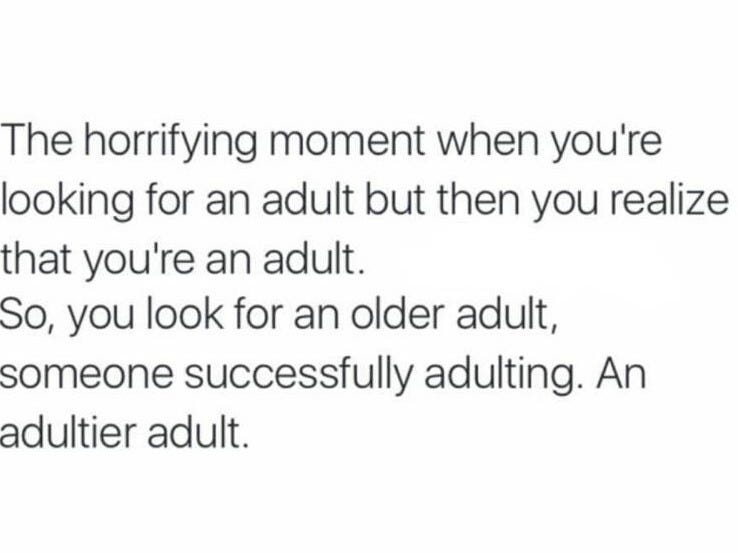
Obviously, I am not looking for someone to tell me to clean my room or remind me vegetables exist — I can refuse to do that all by myself. I mean the other kind of parenting; the invisible architecture that helps a person recover from bad decisions, regulate panic, or distinguish between a catastrophic failure and a Tuesday. Because despite being old enough to know better, I still make mistakes so avoidable they almost feel like witchcraft. The kind where, in hindsight, there is a painfully obvious fork in the road where I could have simply... not done that.
This is where it all gets interesting, because I have spent years assuming those failures meant something sinister about my character like laziness, irresponsibility, self-sabotage, moral weakness, pick your agbo(poison), when increasingly, I wonder if some of them are simply the growing pains of trying to parent yourself long after everyone assumes you should already simply know how.
The frustrating thing is that I have been parenting myself for much longer than the general parenting calendar suggests. I had begun the emotional transition years earlier. If you are the first son in a Nigerian family, responsibility arrives early and without ceremony. Nobody sits you down and says, Congratulations, here is the crushing psychological weight of expectation, it simply materializes around you.
You become aware, sometimes too aware of the invisible ledger being kept somewhere in the cosmos. Be responsible and dependable and make sacrifices and figure it out and please do not complain too loudly because there are younger ones watching, there is family depending on you. I feel like somewhere along these lines of what you should be doing, competence is assumed.
And to be fair, God has been kind to me. I have survived.
I have somehow managed to keep moving through water that often felt determined to pull me under. I have learned how to steady myself after disappointments and become frighteningly efficient at swallowing fear. But every now and then, I am visited by a thought so embarrassingly childish it almost makes me laugh. I want to go home, bruh.
Not metaphorically, or in the poetic “home is wherever your heart is” sense people say when they are trying to sound wise on podcasts. Home cannot be where my heart is. My heart lives in my chest, and after recent disappointments, it has spent so much time racing that I suspect it no longer feels at home there either. Hmm deep but when I say home, I mean home home. I want to take a bus back to my mother and collapse into the kind of embrace that briefly convinces you the world cannot get to you here.
I want to say something humiliating like: Mommy, hold me. Life outside is hard. I know I begged to be an adult. I know I wanted freedom but you are the parent, you should have smacked that idea out of me.
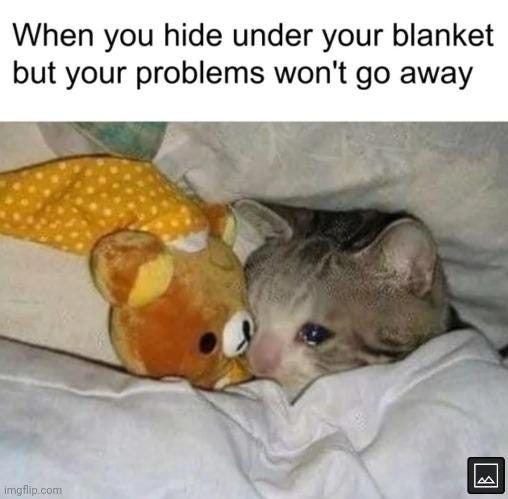
There is something devastating about realizing certain forms of comfort expire. That one day, whether through distance, death, circumstance, or the slow violence of adulthood itself, the hands that once reassured you simply are not there in the same way anymore. Dear Lord, sometimes I need parenting.
Even typing that sentence feels vaguely illegal because what grown man admits something like that out loud? Imagine saying this to your friends over drinks. Imagine interrupting a conversation about football or rent or girls or business to confess that actually, what you need is not productivity advice or motivational quotes or another reminder to “stay strong,” but a break from being an adult for approximately three business days.
Imagine admitting that words of affirmation, however kind, are occasionally insufficient. That what you really want is a hug from someone who loves you with such embarrassing certainty that you have to physically ask them to let go.
There are griefs so ordinary they almost feel invisible. The grief of no longer being parented is one of them. And the truly cruel part is that life does not pause to acknowledge this loss. In fact, it celebrates. “Welcome to your own shege(issues).”
Soon after, you are expected to marry. To love someone deeply enough that they willingly tether their life to yours. To become dependable for another human being in ways you are not entirely sure anyone was dependable for you. Then perhaps children enter the picture, and suddenly you are tasked with giving them what you yourself spent years quietly mourning. People love to say, Give your children what you didn’t have.
A beautiful sentiment but if I am being truthful, I have often struggled to emotionally connect with that idea, till now i have really struggled with doing anything for the sake of posterity.
However, underneath all of this, I know there is anger. I am angry that parents die. Angry that guidance can disappear while the need for it stubbornly remains. Angry at a world where people barely old enough to understand themselves are expected to suddenly become fully formed adults because time said so.
Sometimes I think about how absurd it is that the people raising us were often improvising too. That our parents themselves were once frightened young adults, carrying things we never saw, pretending to know what they were doing because children require certainty. Still, I mourn it and I do not want to be consoled.
I mourn the luxury of having somewhere to fall. Oh God, where did all that precious time go? When I could just be. When I could be. You cannot just be a sweet, naïve teenager anymore, cushioned by the invisible faith that somehow things would work themselves out. Now you know too much and based on how old you are, everybody else knows you know too much. And once you know, you cannot return to a world where you pretend you do not.
Nothing opens your eyes to how unstable the ground you walk on really is until you slip, and in that awkward motion of picking yourself back up, you catch a glimpse of the struggle you left behind and realize you are maybe one bad move away from going back to it.
Being an adult is so consequential, it is so infuriating.